

Why every organisation needs a trickster
On mischief, pranks, and the disruption of brittle systems

LAST MONTH a friend invited me to give a talk to his team of change-management consultants. It was part of a monthly series where they bring in outside perspectives with the aim of sharpening their craft, winning more business, and having more fun. He gave me total freedom to choose my topic. All he asked was that it challenged them to see their work in a new way.
It was the first talk of this kind I’ve ever given. Initially I was worried that I wouldn’t have anything significant to say to a group of people in corporate. But once I got into the research, I realised that having a project with this level of public accountability really forces you to take it seriously, find a thread you can pull on, and do a good job.
I’m grateful because it gave me an opportunity to do some proper intellectual excavation and figure out who has shaped how I think. It allowed me to plant a flag in the ground for something I believe in, something I’ve always believed, actually, but had never quite defended under the pressures and seriousness of adulthood.
I called my talk Why Every Organisation Needs a Trickster. But I think you could substitute the word organisation for any group at all. I’m sharing it with you here.
If you’re the sort of person who loves a good prank, if you fantasise about being disobedient, or if you’re looking for ways to sabotage a system that’s no longer serving you, then this one’s for you. Enjoy!

Why every organisation needs a trickster
I. Initiation
When I was about eighteen, my mate James rang me one morning out of the blue and in a frantic whisper said, “Mate! I need your help! I’ve got a girl in my bed from last night and she won’t leave. I need you to ring me in five minutes once I’m back in bed, I’ll put you on loudspeaker, and I want you to say I’m supposed to be at laser quest with you and the boys!”
“Sure,” I laughed, “But why laser quest?”
“Because it sounds specific enough to be believable!”
“Fair enough,” I said, “consider it done.” And five minutes later, I rang him back: “Mate, laser quest is cancelled. Not that you care. You’ve obviously got something better going on given that you’ve ignored our calls and texts.”
This story became a classic among me and my mates. I absolutely loved stitching people up like that; not because I wanted to be cruel or difficult for the sake of it, but because I loved the inventiveness of pranks, the buzz of anticipation and surprise, the spectacle and the laughter.
Being a prankster was a way to get the attention I was seeking, sure. But it was also about really connecting with friends, making people notice things they hadn’t seen, and enjoying the thrill of sticking a middle finger up at the rules, of course.
However, I didn’t realise just how powerful tricks and pranks could be, with a little more thought, until I got to art school.
II. Three types of disruption
On our first day in class, we each had to bring in a piece of art to discuss, and whilst I brought in something sculptural (conventional materials, conventional thinking), a kid called Niall brought in a tomato plant he’d been watering with beef stock, and asked whether any vegetarians would like to eat a tomato.

Niall’s was definitely the most hotly debated artwork that day. Everyone was arguing about it. And crucially, it was my initiation into the conspicuous clarity and provocative power of conceptual art.
More than anybody else, it was artists who taught me that mischief isn’t frivolous or foolish; it’s a serious tool for reclaiming influence, especially in rigid, predetermined, or disempowering situations.
I want to share three examples from the art world that inspire me with their carefully organised moments of sabotage. They illustrate a variety of ways we can disrupt the status quo, and in the process give ourselves, and other people, more agency.
Going Places (symbolic disruption)
In 1998, a group of Leeds College of Art students raised £1,000 from the Student Union for their degree show, but spent it on a holiday to Malaga. They did end up having an exhibition in London afterwards, but they just exhibited photos of them frolicking on the beach, and lined the walls with their plane tickets and hotel receipts.
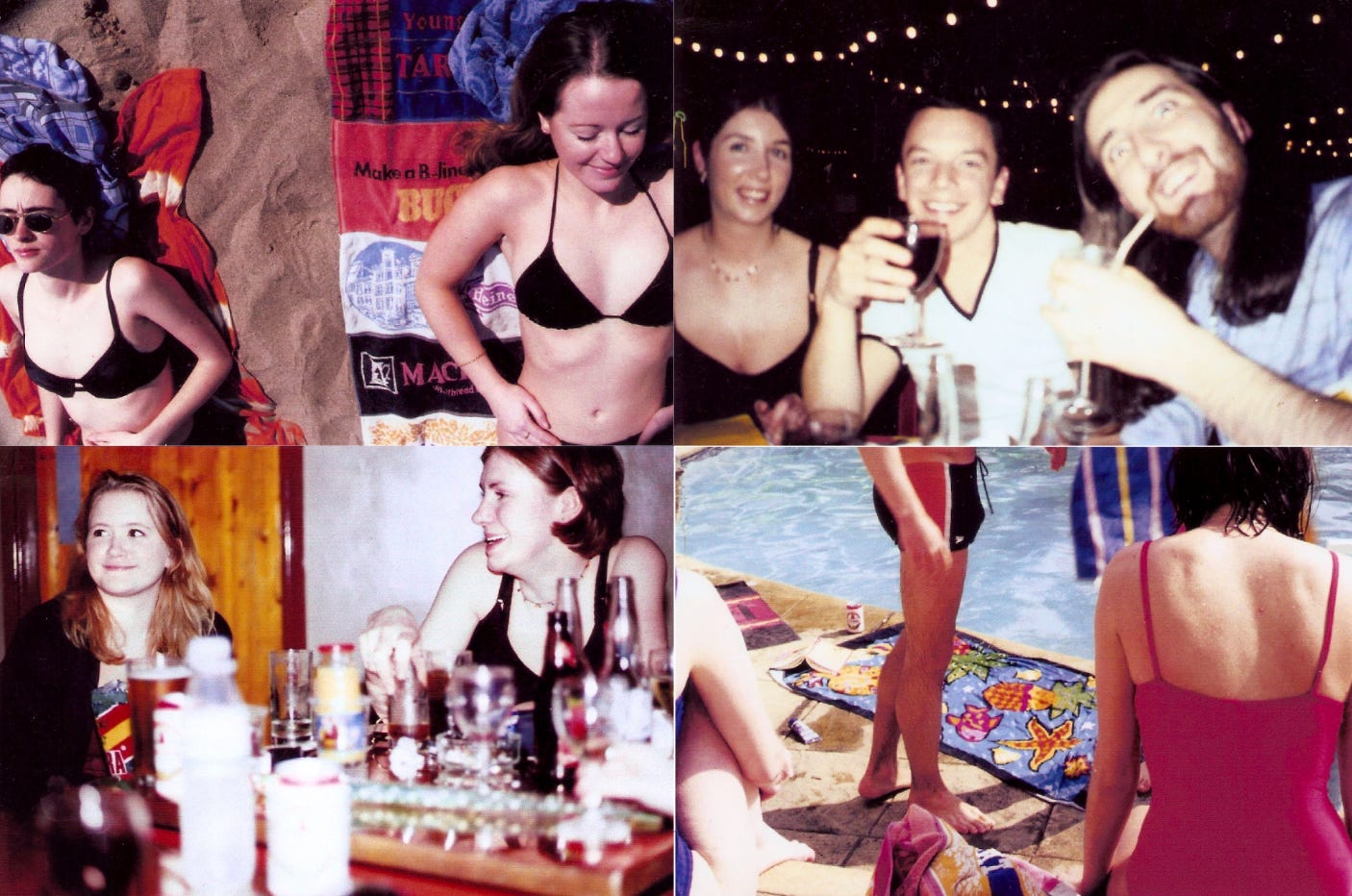
The British press got hold of this and went berserk. Everyone assumed the worst. The Daily Telegraph said the students had “made an exhibition of themselves.” The Daily Mail framed it as taxpayers being ripped off. They were branded as “piss artists” and “sly opportunists.” The Student Union even threw them under the bus and demanded they pay back the money.
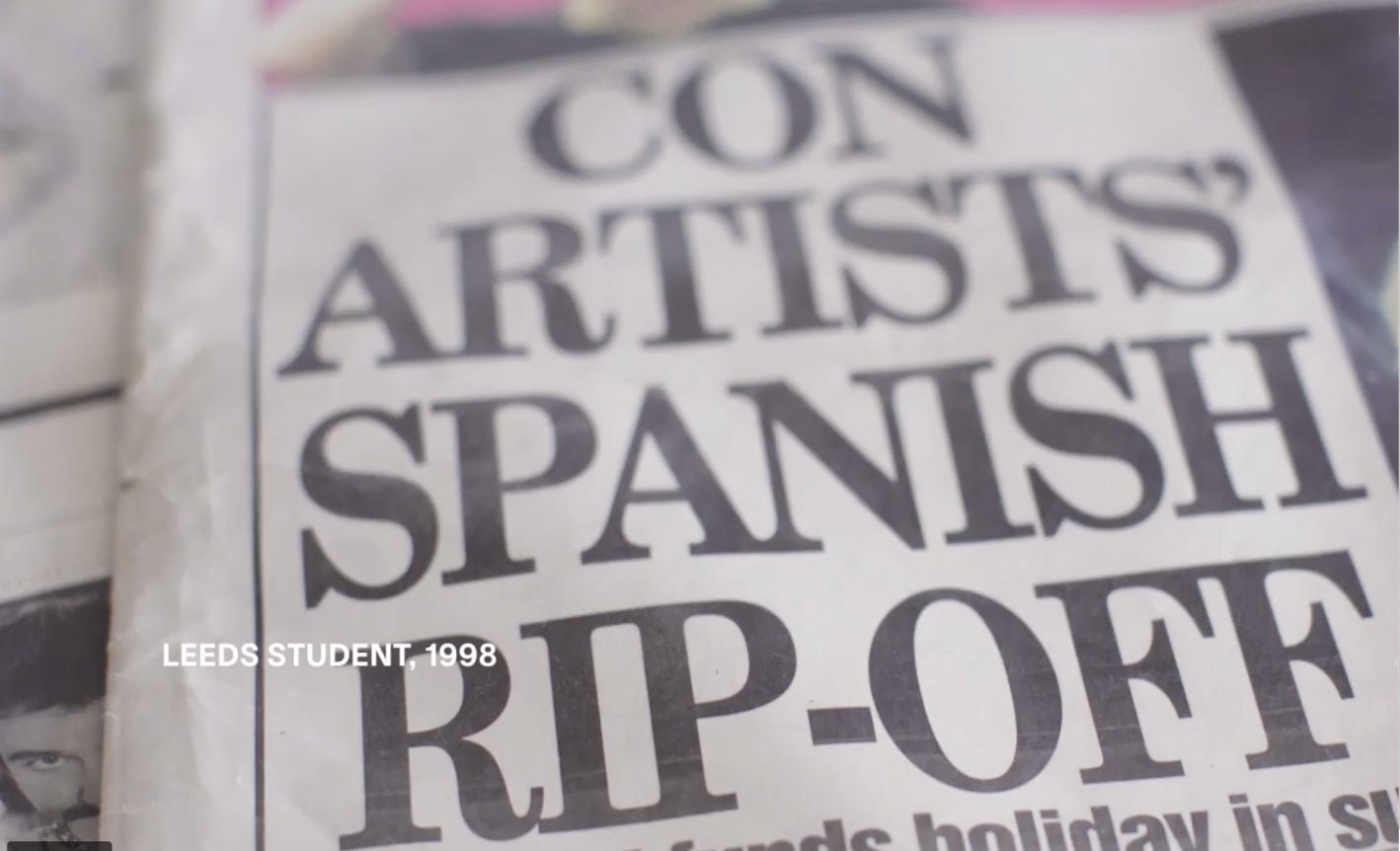
But once all the moral verdicts had been delivered, the students went on live radio and revealed it was all a hoax. They’d never left the UK. They hadn’t spent a penny. The photos were taken in Scarborough in the depths of winter, and all the “evidence” from the exhibition had been fabricated on Photoshop.
They brilliantly wrong-footed everybody, exposing the hidden norms and expectations of art institutions, the press, and the public. They also caused a nationwide debate about the frightening speed and force with which the tabloid media sets the public agenda.
This artwork, which the students called Going Places, is a good example of what I would call symbolic disruption. You make invisible systems visible and, in doing so, you make them more accountable and ultimately more critique-able.
The Ambassador (epistemic disruption)
My next example is from one of my favourite artists: the Belgian conceptual artist Francis Alÿs. In 2001, Alÿs was at the top of his game, and he was invited to represent Belgium at the prestigious Venice Biennale – one of the highest honours that an artist can receive.
But instead of attending the Biennale, Alÿs sent a peacock in his place, calling it The Ambassador. With this one incisive intervention, Alÿs satirised the vanity of the art world, making everyone at the Biennale stop and wonder: What are we actually doing here? What are our obligations to each other? Who decides what counts as representation? Who decides what’s serious?
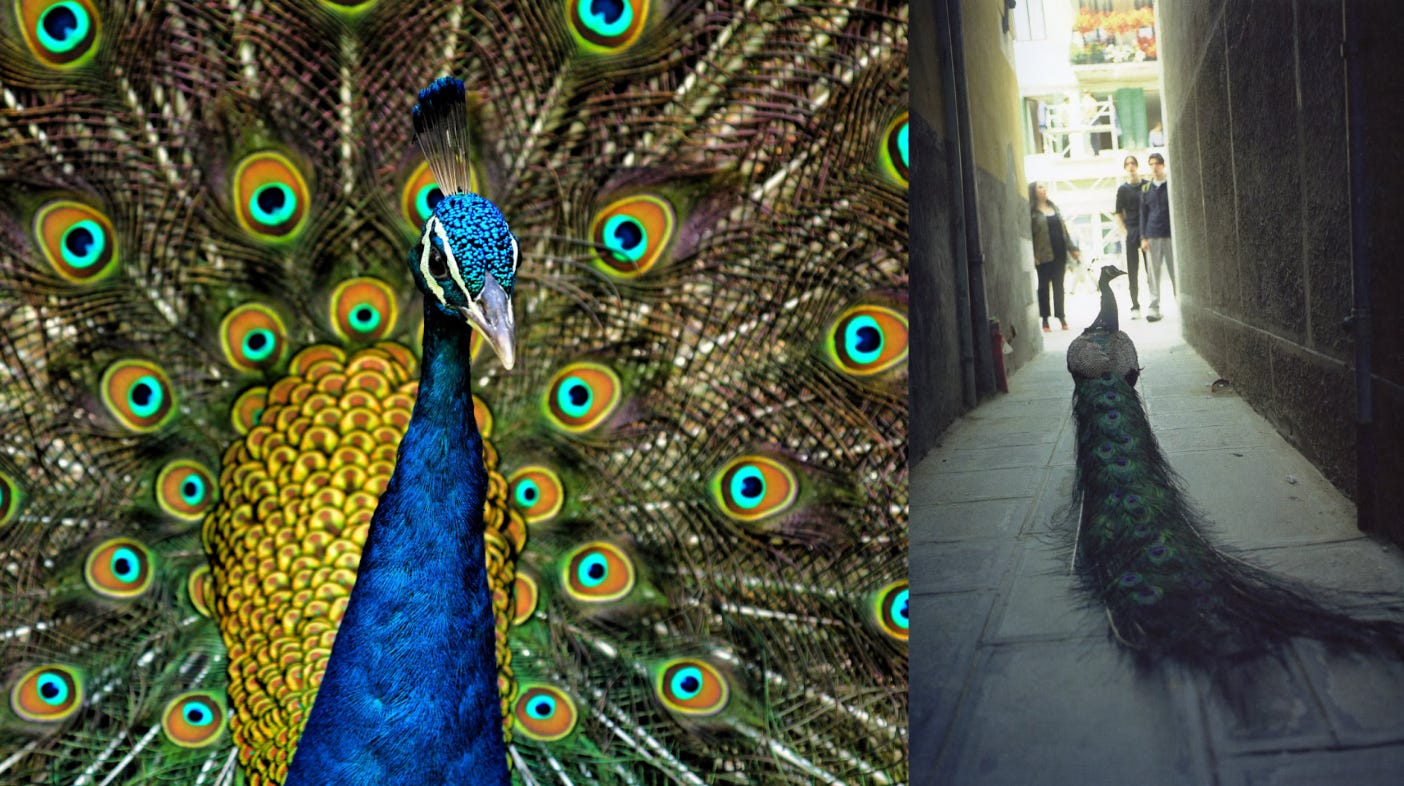
This is what I would call epistemic disruption. When you’re on the receiving end of a prank like this, it stimulates a renewed sense of critical thinking and personal responsibility. Its power lies in forcing the question: How was I so easily duped? What did I not know about myself or about the world that enabled this to happen?
Walking from Brixton (behavioural disruption)
My final example of deviously bringing forward different possibilities comes from a tutor. His name was Yan, and one day Yan organised an extra-curricular walk for the whole class, lasting about three hours, from Brixton Station in south London to our college campus in Kings Cross.
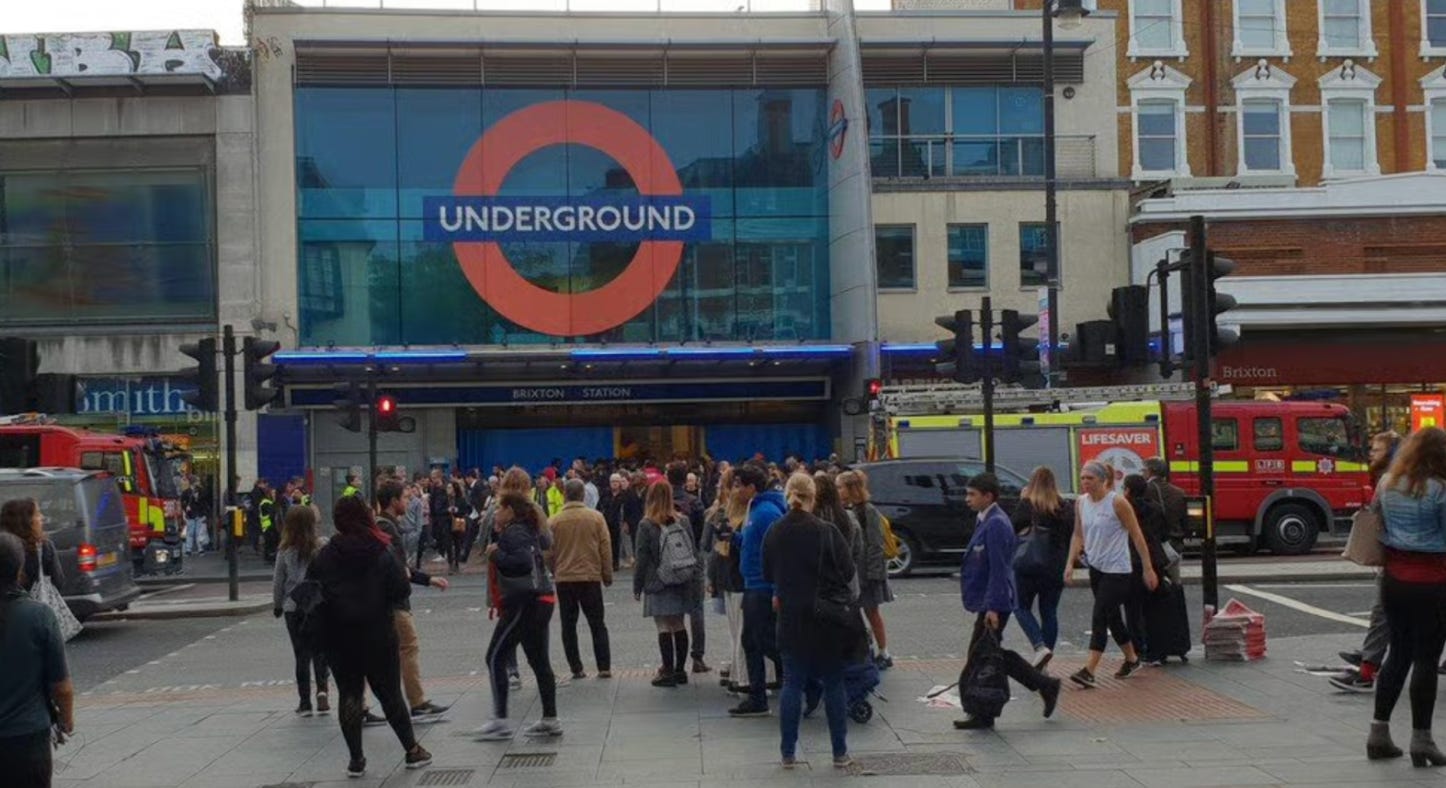
Yan gave us no other information. We just had to turn up at Brixton and start walking. But the catch was, we had to walk the whole way in silence. No phones. No chatting. Just walking. For three hours!
I felt uncomfortable about being with people for so long and not being able to talk to them. But it turned out to be a great experience. I got to see a different side of London. And I got to spend some good, uninterrupted time with my own thoughts.
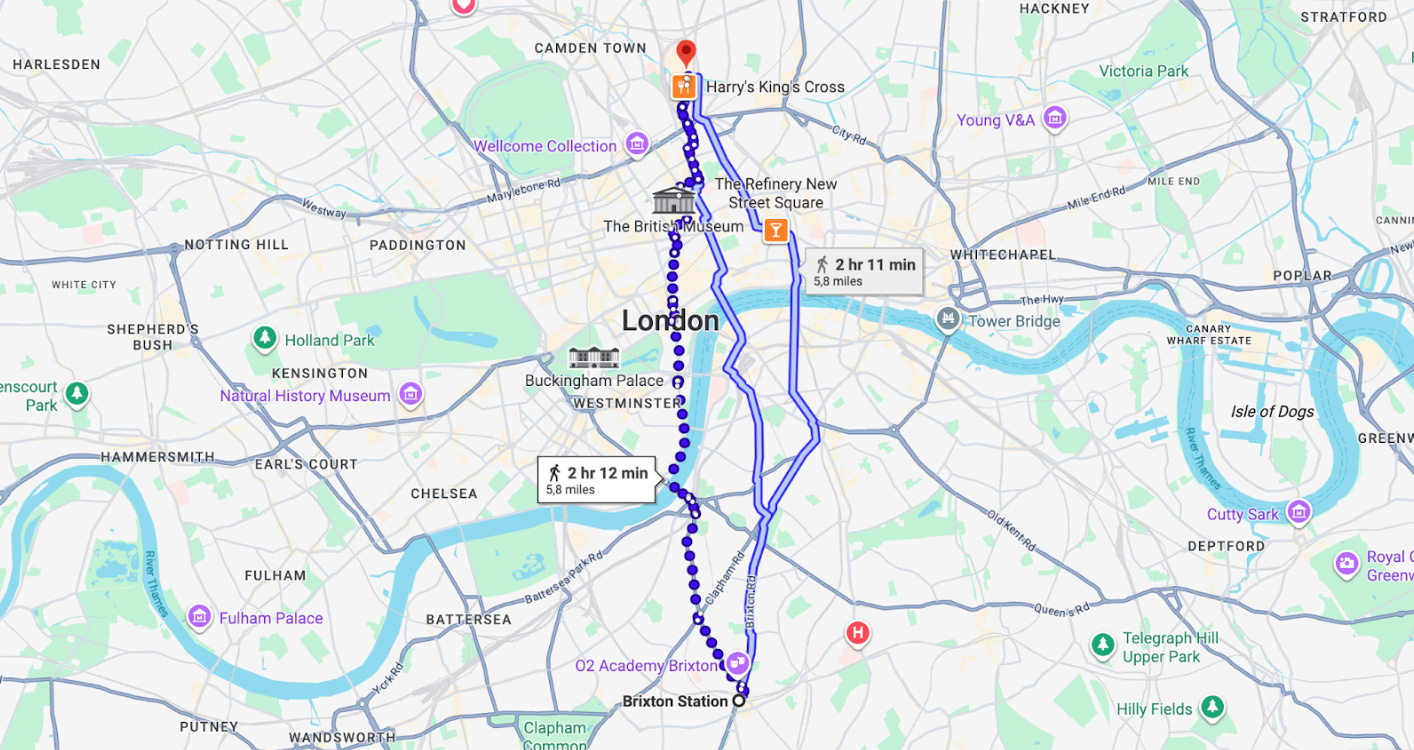
When we finally reached Kings Cross, ten kilometres later, Yan broke the silence and said, “Meet me at Brixton tomorrow at the same time.” And the very next morning, to our collective horror, we were made to walk the exact same route, again in silence.
But that second walk was even more powerful. I noticed things along the route that I’d missed the first time. I got to think about not just what I was choosing (or being compelled) to pay attention to, but also about the roles that repetition and resilience play in a creative practice.
This type of disruption is what I would call behavioural disruption. The distinction here is that insight follows action, that you can interrupt peoples’ habits and routines, and in doing so change the way they think.
III. My own interventions
By the time I was studying art at bachelors level, I was taking the idea of pranks more seriously. I was excited about this way of exploring systems, assumptions, and behaviours, about how I could channel my childish mischief into projects that took place in the public sphere and poked at the way things were made.
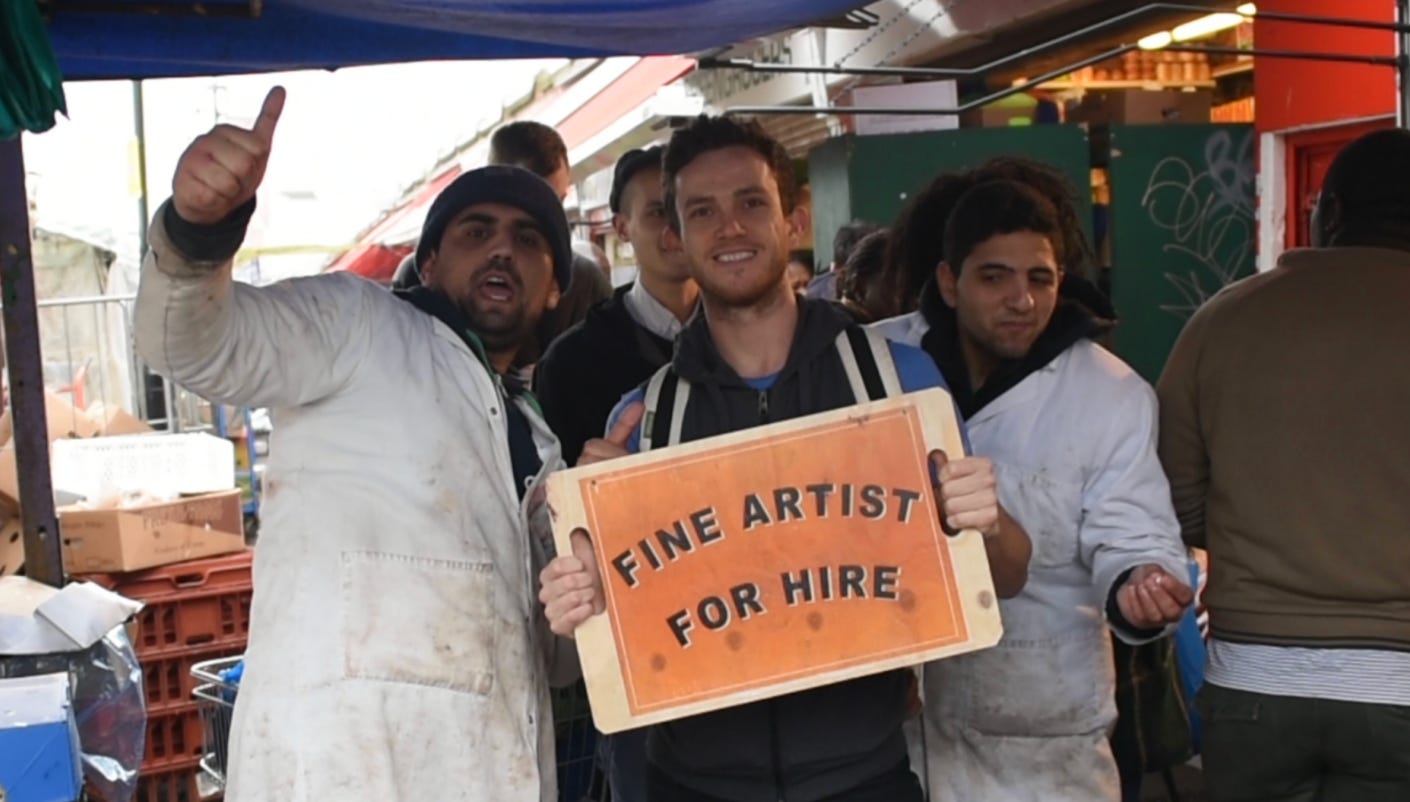
This is me in 2016 at Ridley Road Food Market in London hawking my services as a “fine artist.” It led to some interesting conversations with butchers and fishmongers like this fella. And I landed a paid commission to build a shoe rack for a yoga studio (random).
I did it because I wanted to feel useful as an artist. But I also did it because I wanted to get under the skin of certain students and staff members who I thought had a far-too elevated view of art. I hated the way we all treated it so seriously, in a language that was inaccessible, and in spaces that were sealed off from the public realm.
I want to share two more examples of significant trickster projects I did that I feel were building on the disruptive logic I’d seen in the works of Yan, Francis Alÿs, and the students up in Leeds.
The Royal Mortgage of Art
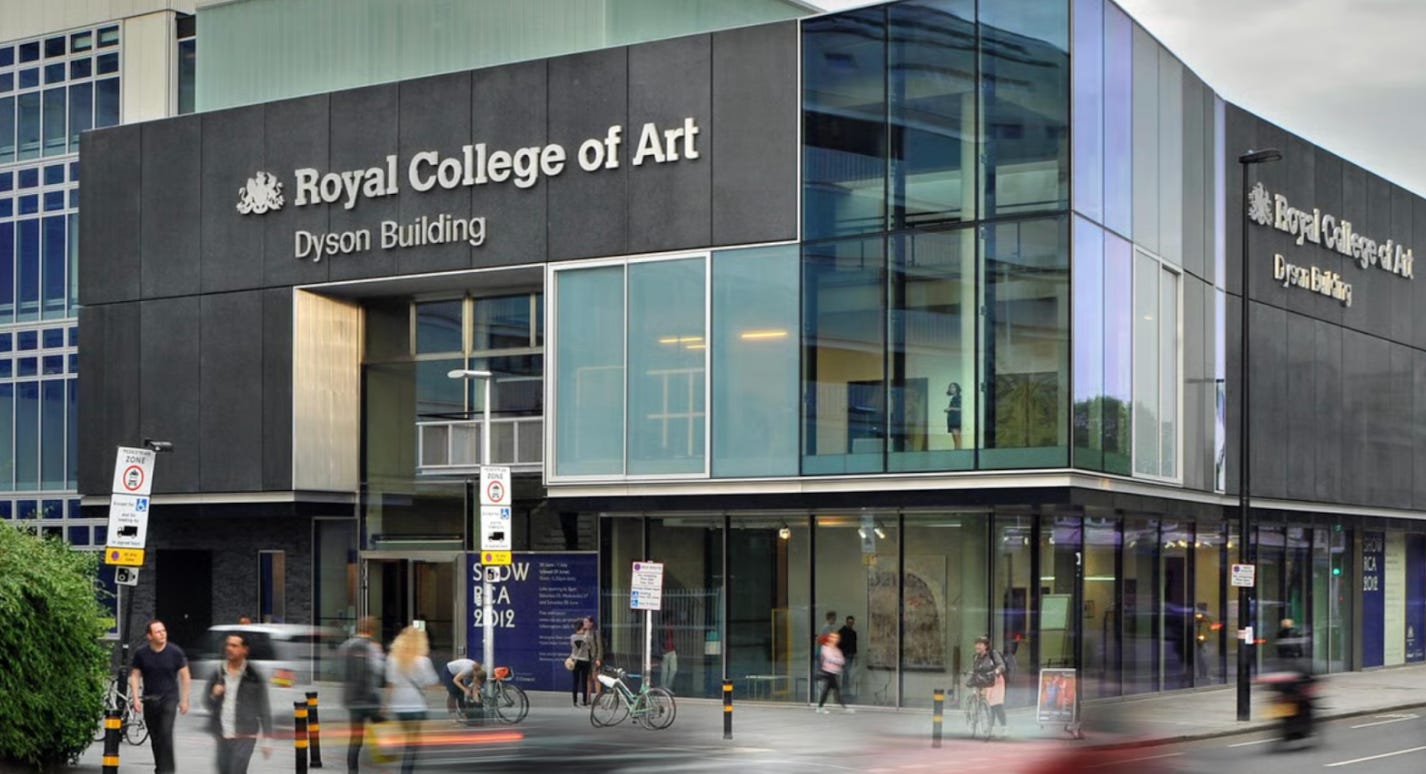
One artwork I really enjoyed making involved tampering with the official aprons in the workshops of the Royal College of Art, where I was studying for my masters.

The aprons were mandatory and very popular with students. They tied around your waist, covered you from chest to toe, and had the cherished college logo printed proudly across the front.
I managed to get my hands on a batch of blank aprons that hadn’t been printed yet, and instead of printing the official logo, I printed them with the words ‘Royal Mortgage of Art,’ before secretly inserting them into the common pool.
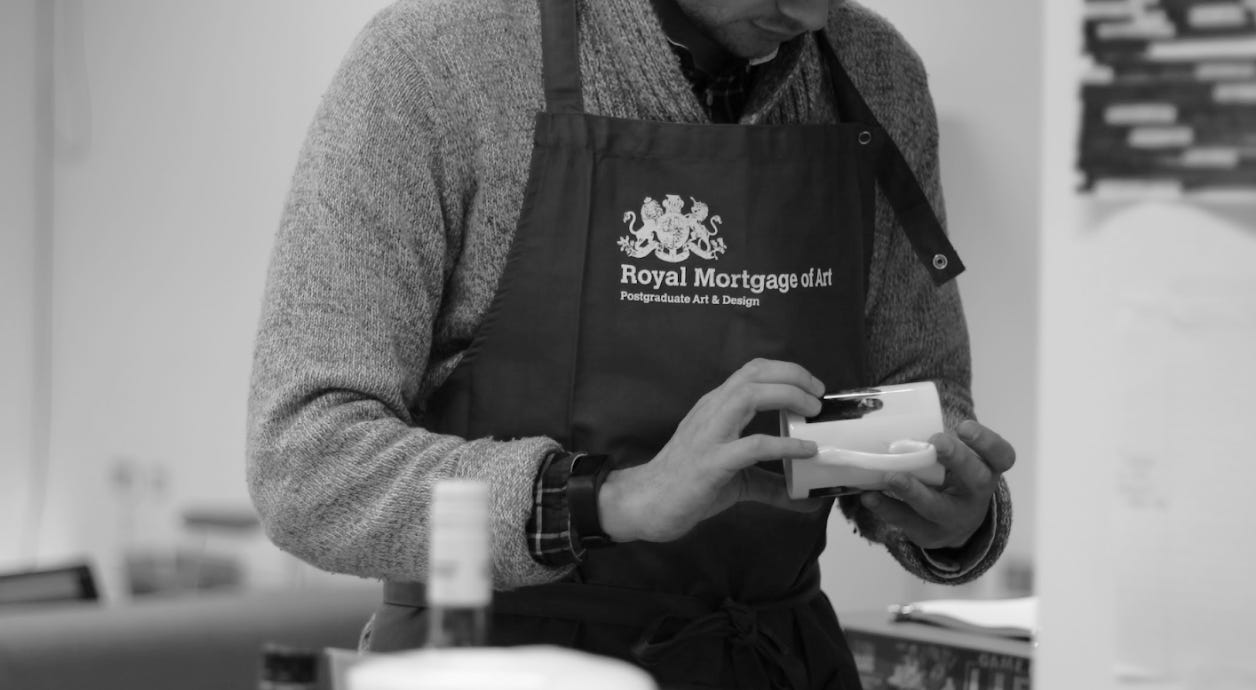
I was pissed off about how expensive it was to study art, especially in London. I knew that the word mortgage meant “until death.” And I liked the idea of subtly prompting conversation among students and staff about the lifelong debt that students would have hanging around their necks.
Two steps forward, one step back
Another piece I enjoyed making had to do with English proverbs. As a writer, I’ve always liked proverbs. They exist in every culture and often tell you a lot about it. They’re well-crafted. And they’re a way of speaking about the universal through reference to the specific.
One proverb I had a lot of fun with was ‘Two steps forward, one step back,’ which is an optimistic notion that whilst all progress involves some setbacks, in the end, if you keep going, you tend to move forwards.
What’s interesting is that, in recent times, this old proverb has been altered (a case of what is known as ‘proverbial adaptation’) and it’s now more common to hear people say ‘One step forward, two steps back,’ which has an altogether more pessimistic spin.
I wanted to create an absurd artwork out of this, so my first idea was to take one step forward and two steps back, quite literally, on a 1500-metre running track, until I reached the end, and to record a film of the whole stunt.
People enjoyed this, so I tried working with this proverb in another way.
I’d recently played the old classic Game of Life, in which you spin a wheel and move your little car around a winding board, making life decisions along the way (going to college, choosing a career, getting married, having kids) and collecting or paying money at each stop. Whoever retires with the most wealth at the end wins. Riveting.
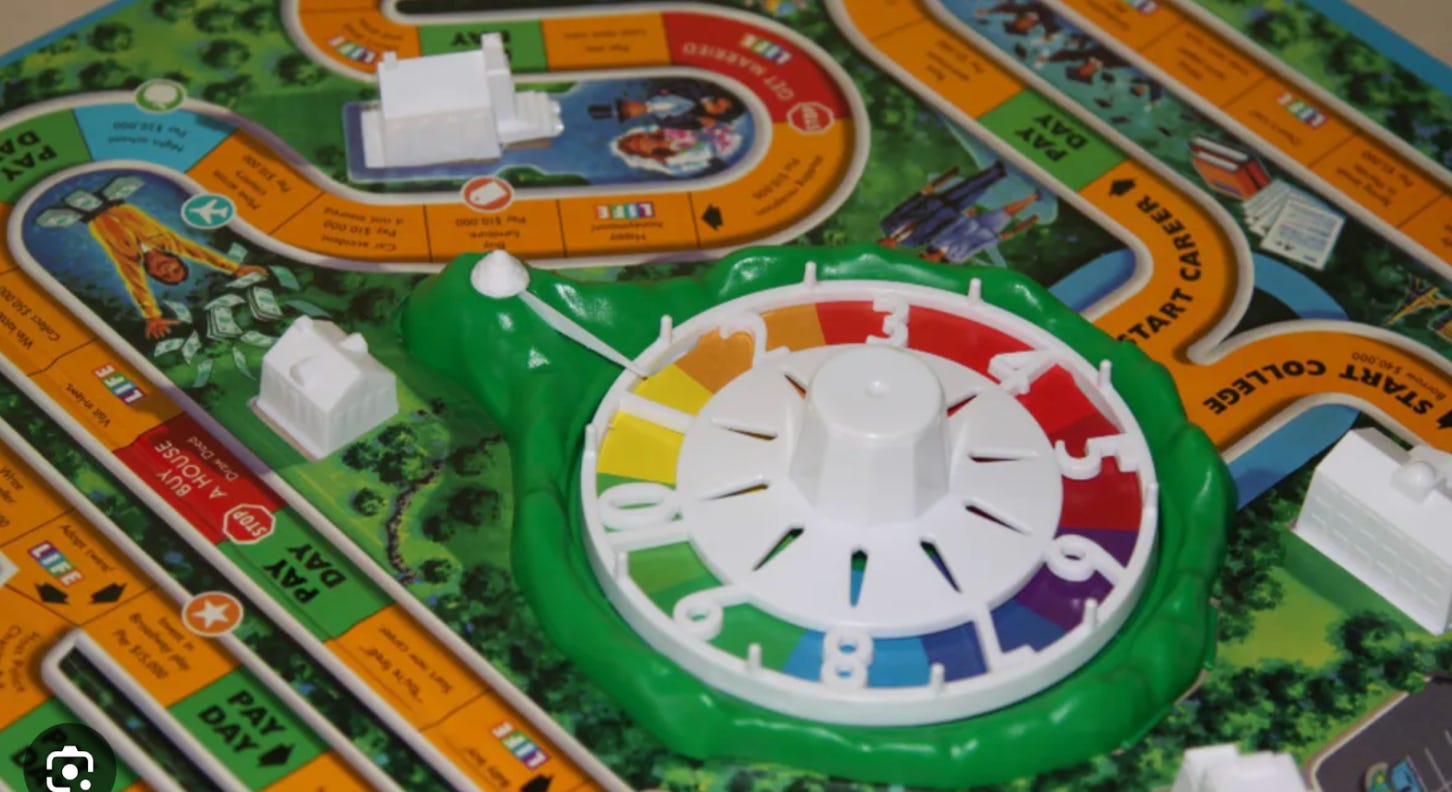
My idea was to buy a second-hand copy of the game on eBay, make a digital scan of the board, and then tamper with the route so that every step forward sent you two steps back, making it practically impossible to reach the end.
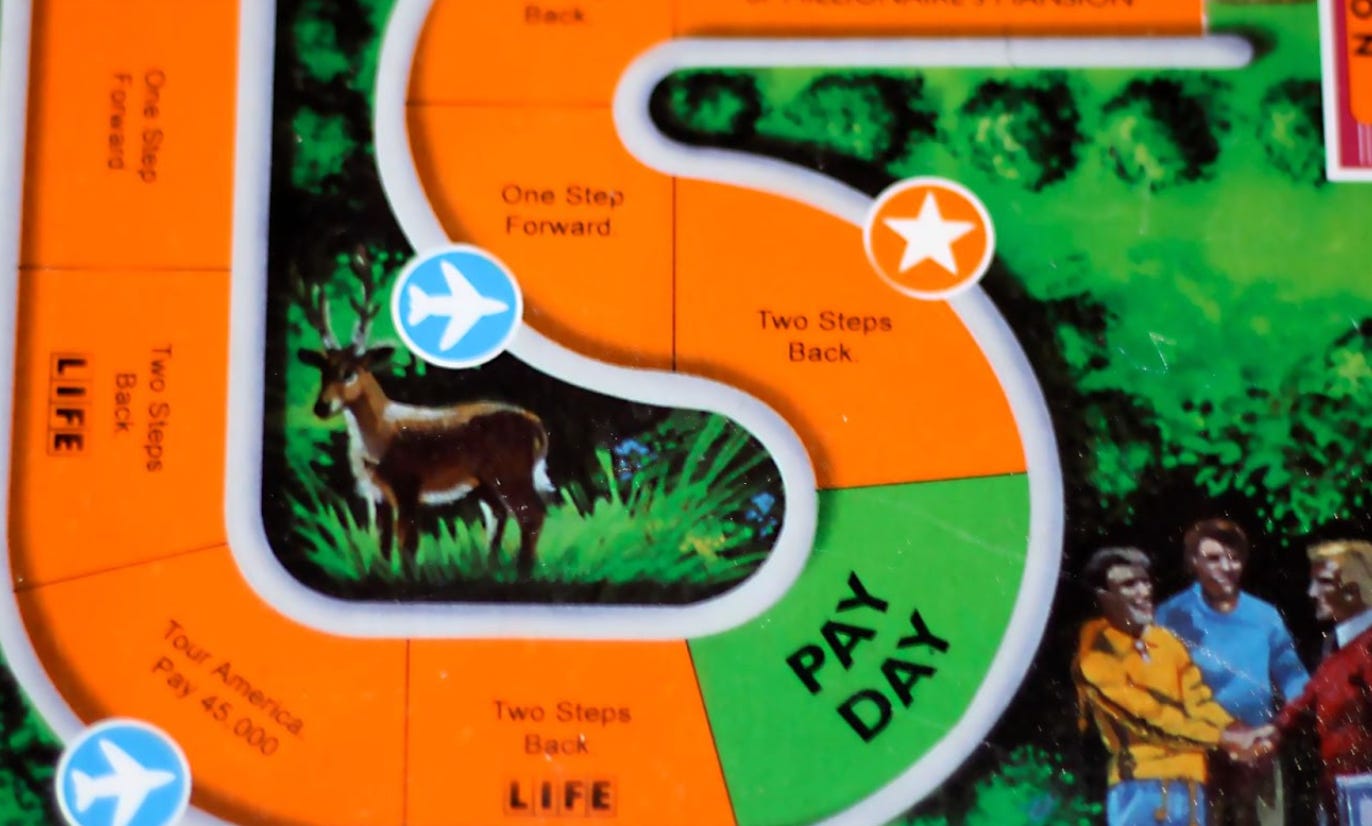
I’d then print this new version onto the board so it looked like the real thing, and use it to play the new “Game of Life” with unsuspecting strangers 😜
Every year, our college opened its doors to the public to showcase our work. And I used this opportunity to set up a table in the studio and invite visitors to play with me.
The next morning after the show, one of my peers, Sadie, came up to me and yelled, “You played Game of Life with my big brother yesterday!”
“Yes?” I said.
“Well he quit his job this morning. Said it was after playing the game with you.”
I can’t remember exactly what me and her brother said to each other that day, but I do know that we talked about our sense of progress in our lives. I think the silliness of what we were doing—playing a game we could not win—jolted him out of whatever had been keeping him stuck. And I think this is a good illustration of how absurdity can often hit harder than strategy.
If you’re wondering what happened to the Game of Life board, I donated it to an Oxfam shop on the King’s Road. I love the idea that some unsuspecting stranger bought it, and has sat there with friends and family scratching their heads about why they can’t win.
IV. The anatomy of a good prank
Now I want to pause and talk about why some pranks work and why some fall flat.
There is both an art and a science to productive trickery. And to tee this up, here’s a quick clip from the TV series New Girl. I don’t watch this show, but my wife told me about a scene where Winston, the show’s prankster, is being scolded by his friend for not quite calibrating his pranks appropriately.
It’s useful to think about good pranks as achieving a sweet-spot between subversion and construction. The best ones share three, maybe four, key qualities that take a prank from a cheap laugh to a true mechanism of change:
The best pranks are benign. They shouldn’t harm anyone physically, emotionally, or reputationally. You’re trying to open peoples’ eyes, not close doors on them.
They should be higher-serving. They should provoke reflection, insight, or action. In other words, every prank should have a “why it matters” built into it.
They should be choice-giving. They should expand possibilities for the target, give people options, show them what’s possible, even if—especially if—they didn’t realise it before.
As a bonus, if you can make your pranks funny, you’ll be even more effective at grabbing attention, making people remember, and loosening them up enough to notice the unseen.
V. The trickster through history
Tricks, pranks, hoaxes, ruses, capers, cons, and subterfuges. These are not just the playthings of impish boys and restless artists. They have in fact played a very important function in societies throughout history.
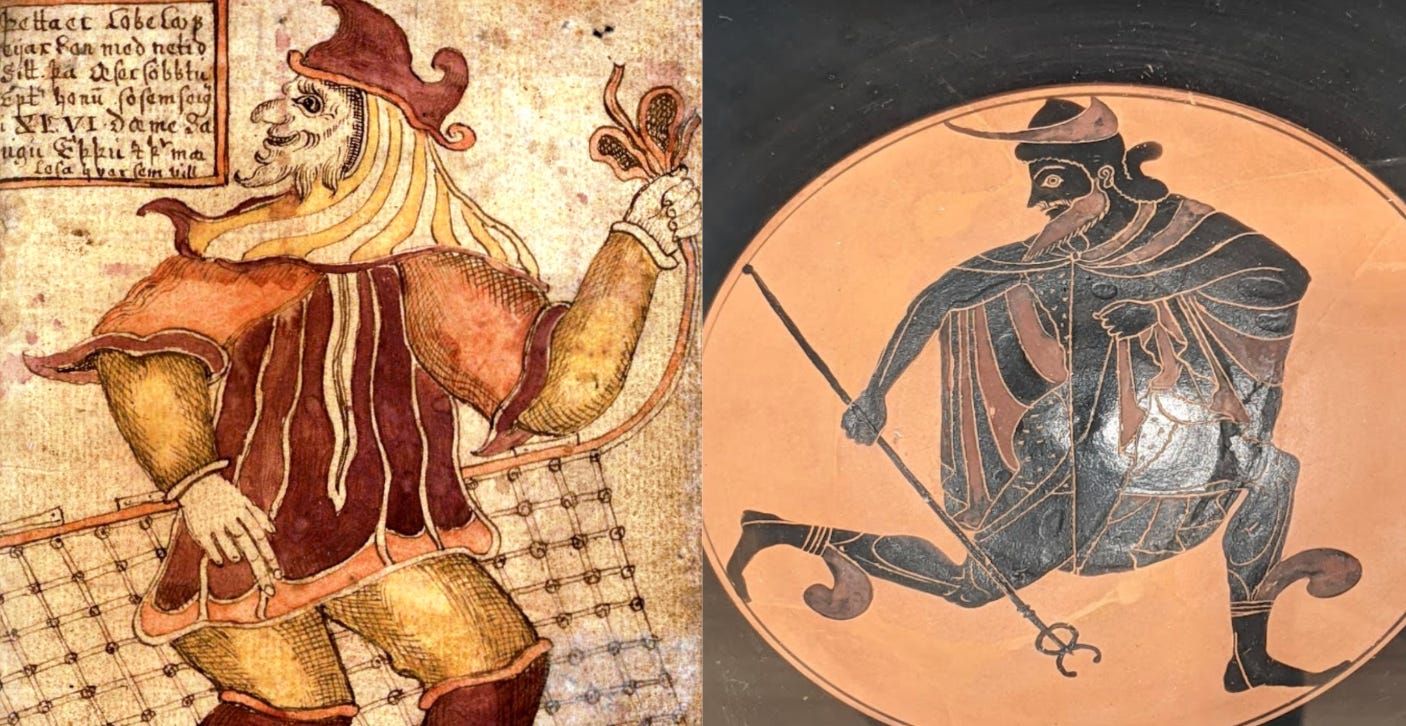
The Norse God Loki and the Greek God Hermes are two of the most well-studied examples of the trickster archetype. They broke the rules by shape-shifting into different creatures and slipping between different worlds, but they did it in service of something more important: calling into question the rigid lines that separated us into categories like “the divine and the mortal,” or “the sacred and the profane.”
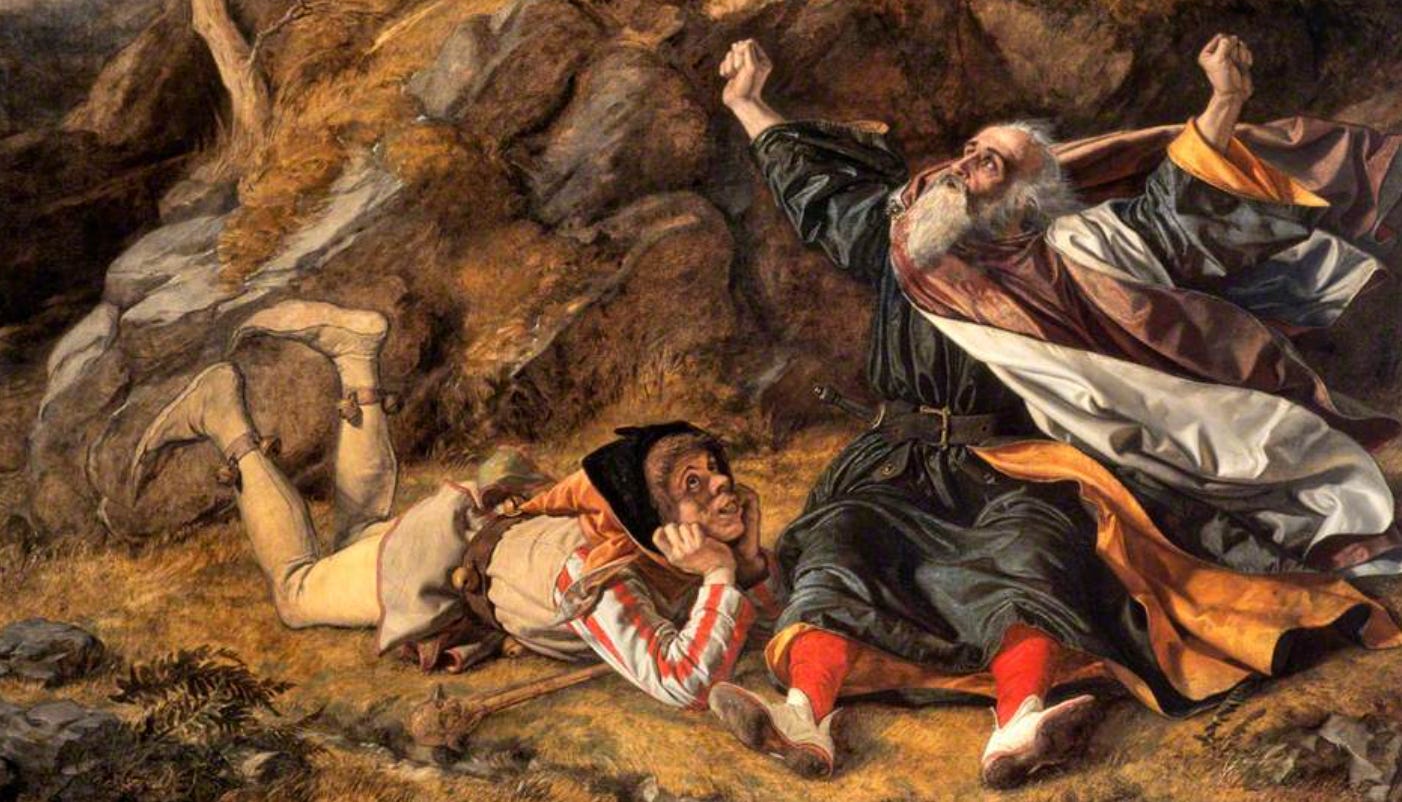
Shakespeare’s fools were certainly not his main characters. But they were often the ones delivering the hardest truths. They always played a pivotal part in making kings stop, look, and listen.
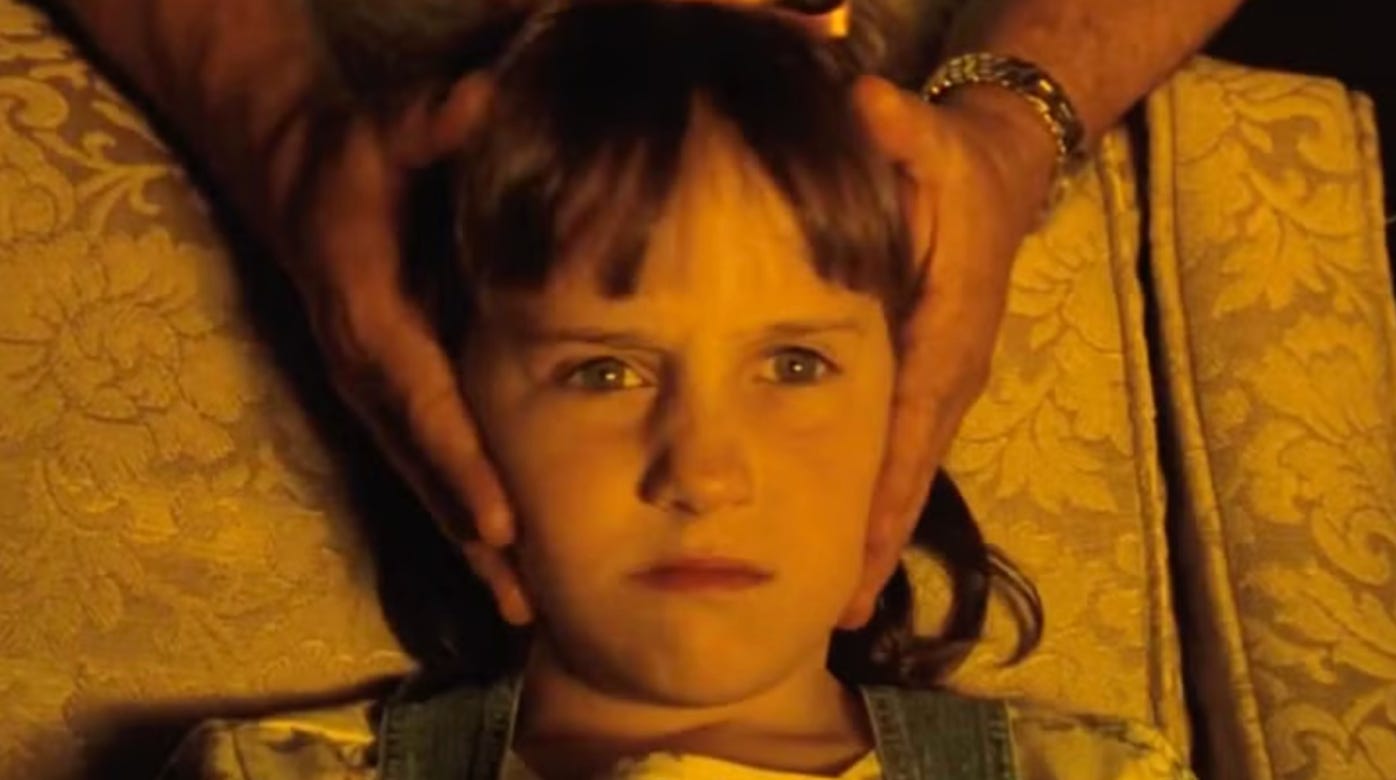
There are scores of other cultural characters too—from Robin Hood to Bugs Bunny to Roald Dahl’s Matilda—whose image and style may be different but whose core device is always the same: subvert rigid hierarchies through cunning rather than force, and expose the moral bankruptcy of those in power.
Tricksters are what the scholar Lewis Hyde calls “sacred boundary-crossers.” They protect us by working at the joints of a system; the seams and thresholds that allow movement and flexibility, but also where stiffness sets in, and where things can break down.

It is not a coincidence that the words art, articulated, arthritis, and harmony all share the same etymological root. A trickster who plays with the joints is not working at the edges of the system; they are working at its most generative points – poking around, testing rules, revealing contradictions, and sometimes dismantling a structure and rebuilding it when it ceases to serve the people living under it.
Tricksters are the ones who bravely ask, “Are these norms and institutions actually working for the culture? Or is there a need for disruption to create space for change?”
VI. The case for more deviance
Today we’ve got a big challenge on our hands. According to data from several sectors of society, recently laid out by psychologist Adam Mastroianni in his brilliant piece The Decline of Deviance, we are becoming less and less likely to engage in deviant behaviour.
Today’s teenagers drink less, smoke less, get into fights less, and have less sex. By many measurable behavioural metrics, they are more cautious than any cohort that came before.
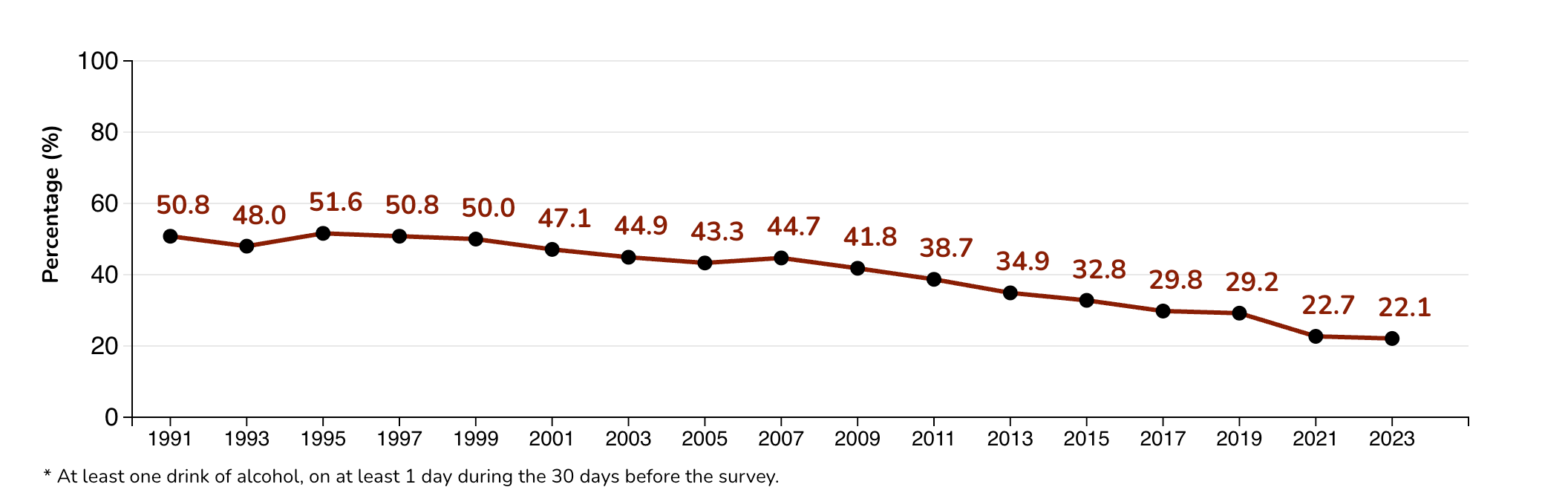
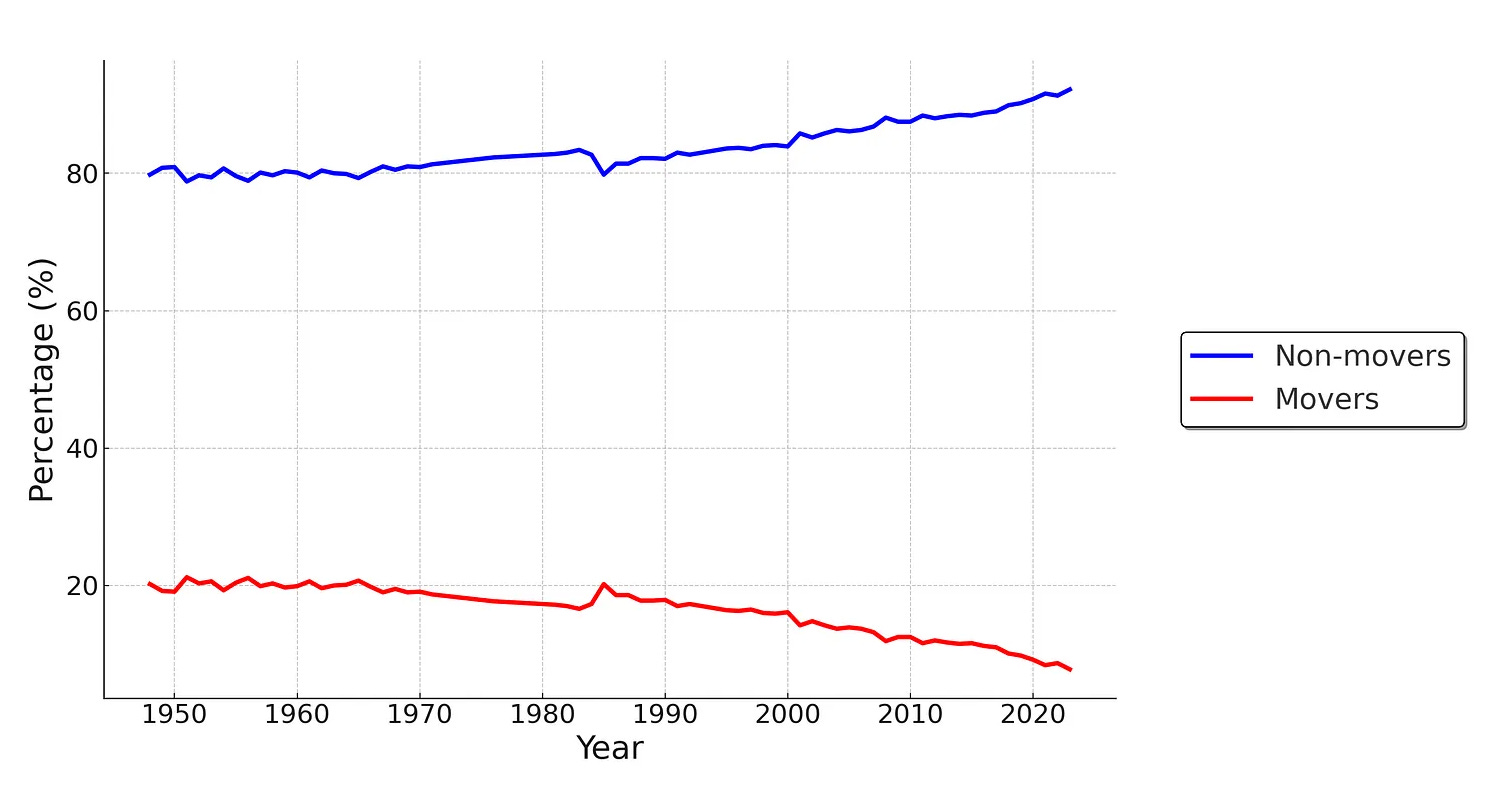
It’s not just teenagers. Crime rates have plunged since the ‘90s. Serial killing is down. There are fewer cults than ever. And fewer people move house.
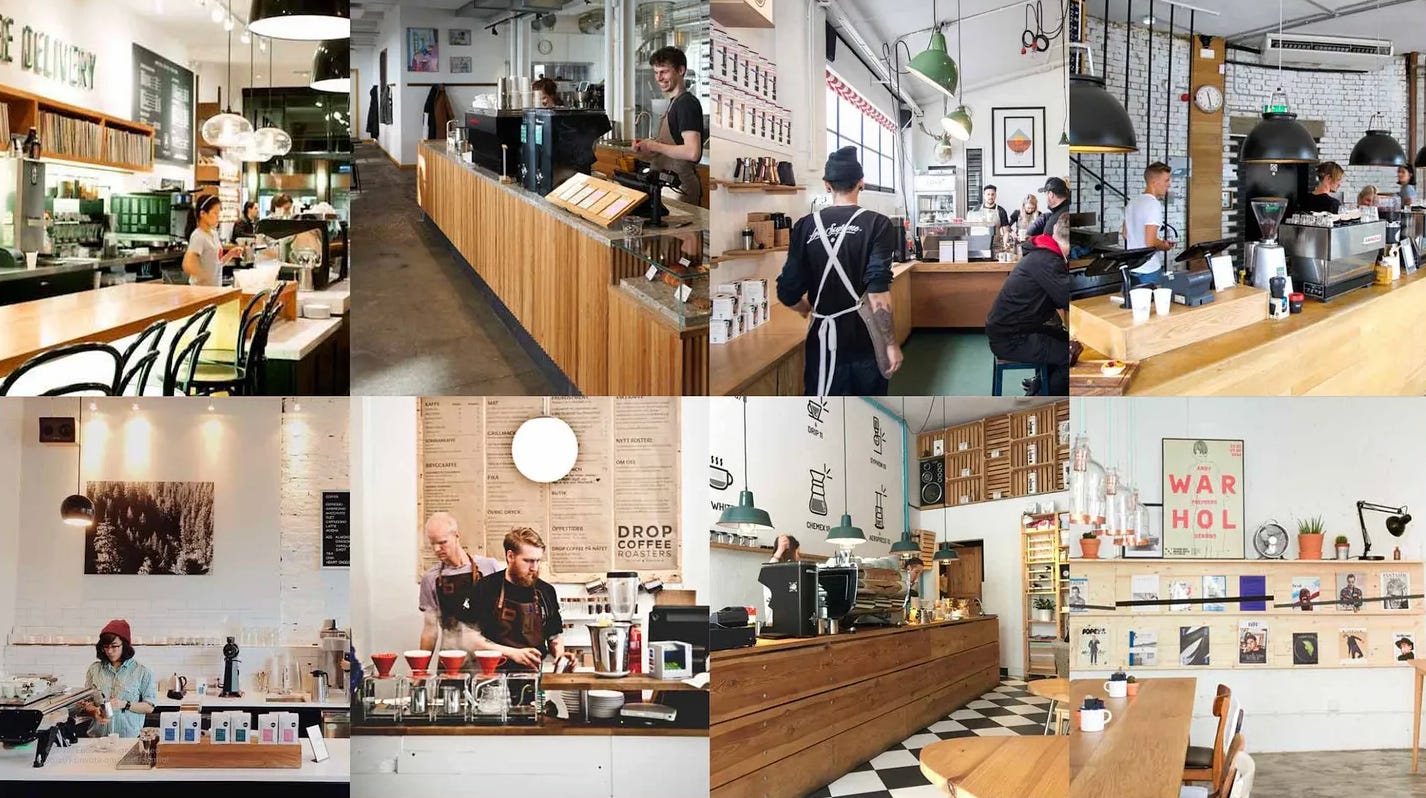
Then there’s the encroaching cultural homogeneity. Everything is starting to look the same! Cafes I work from in Cairo and Chiang Mai have the same cacti and oak panelling as cafes in Sheffield.
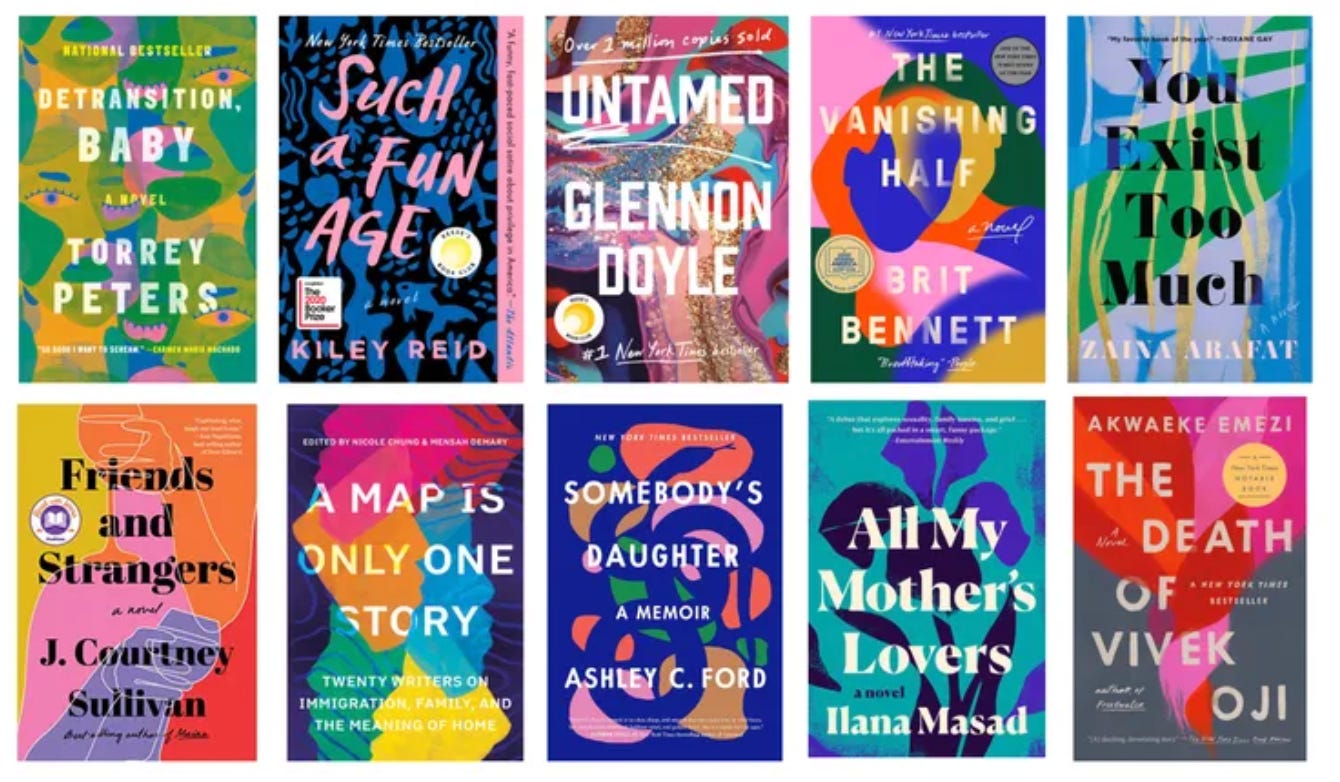
Book covers are pretty but indistinguishable.
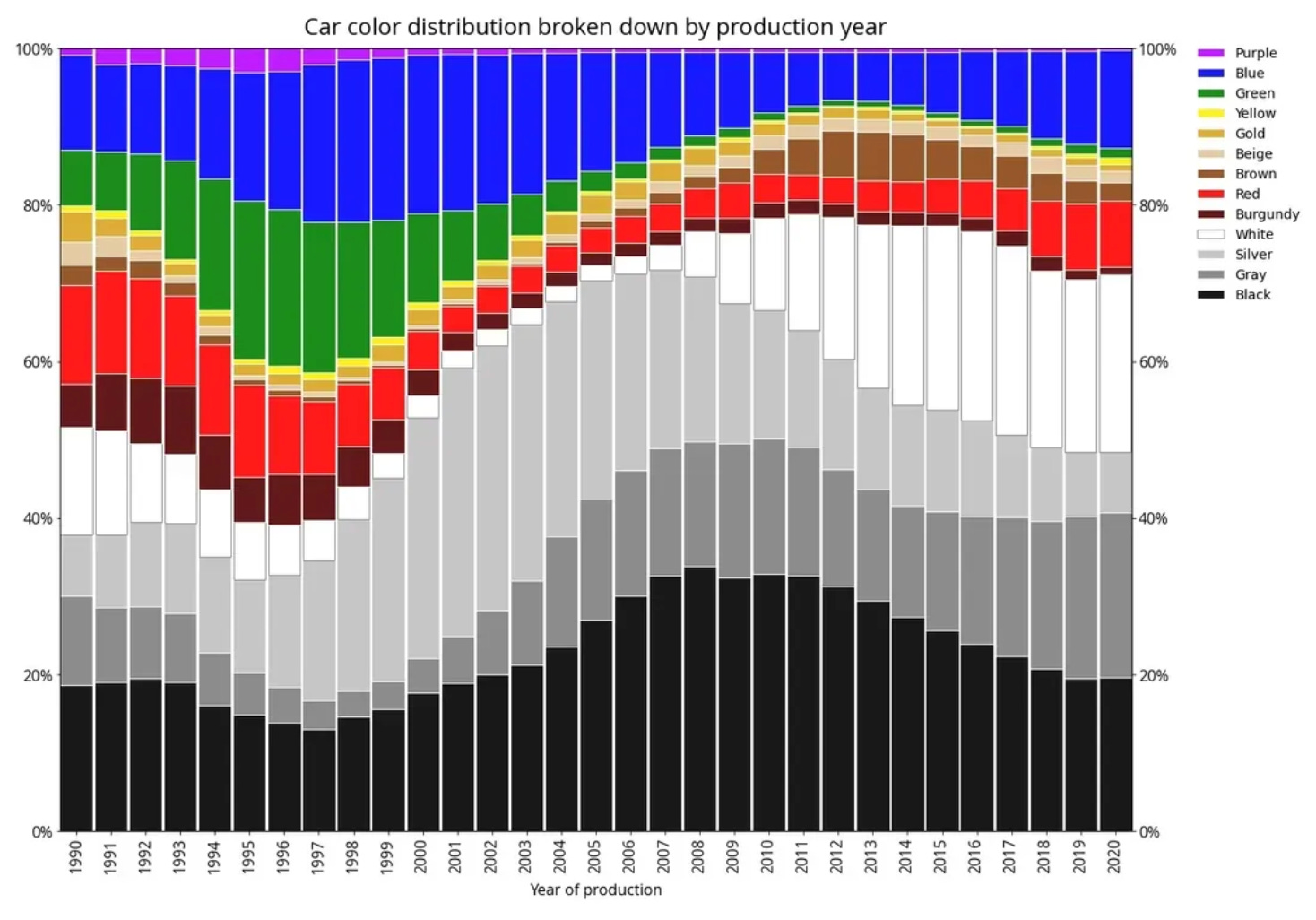
Car colours are now mostly black, white, or grey.
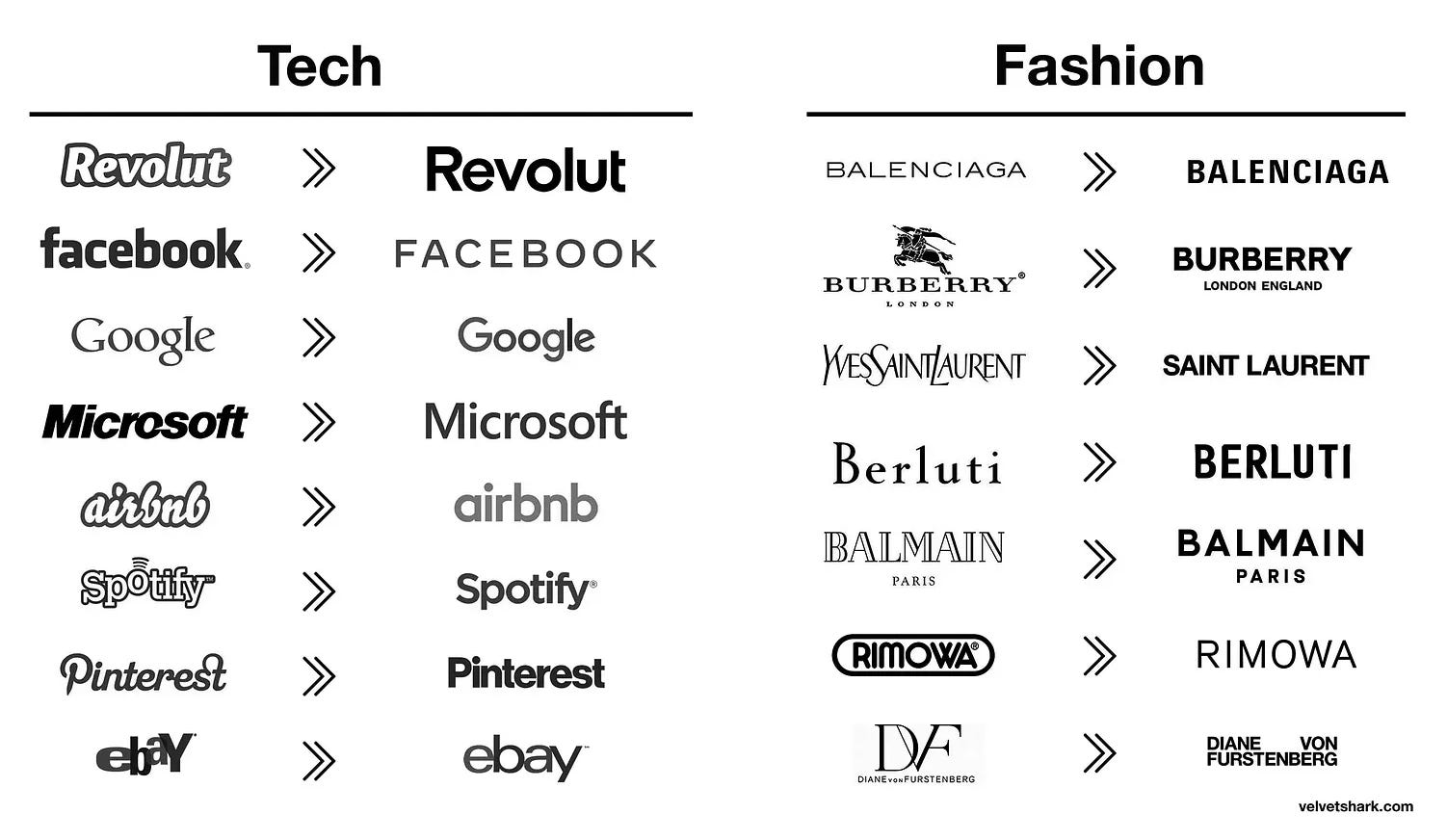
Brands have become blands.
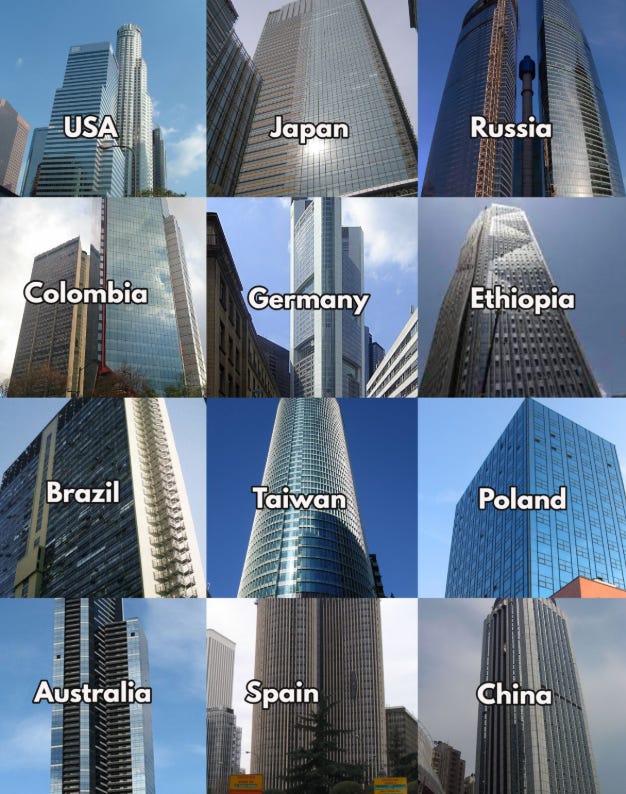
And cities the world over are full of the same glassy architectural meh.
One way of making sense of all this, as Mastroianni suggests, is that our lives are increasingly more valuable to us. When life is longer, safer, healthier, and more prosperous, we’re simply less willing to take risks and rock the boat.
But as far as I can tell, that security is also a sedative. New thinking requires us to feel the friction of the unfamiliar and the discomfort of venturing somewhere you haven't been. A society that has anaesthetised itself is surely a society that will run out of new things to think.

VII. Invitation
But think about it. If deviance is declining, it means the capacity to colour outside the lines is becoming rarer and therefore more powerful!
All of this got me thinking: if every society needs a trickster to prevent decay and keep it dynamic, then why wouldn’t organisations need a trickster too? Organisations are mini societies, after all.
What if the BBC, McKinsey, OpenAI, and the Vatican had Tricksters in Residence? Somebody whose role it was to notice brittle joints, test problematic assumptions, and inject some revealing disruption in the right places at the right time?
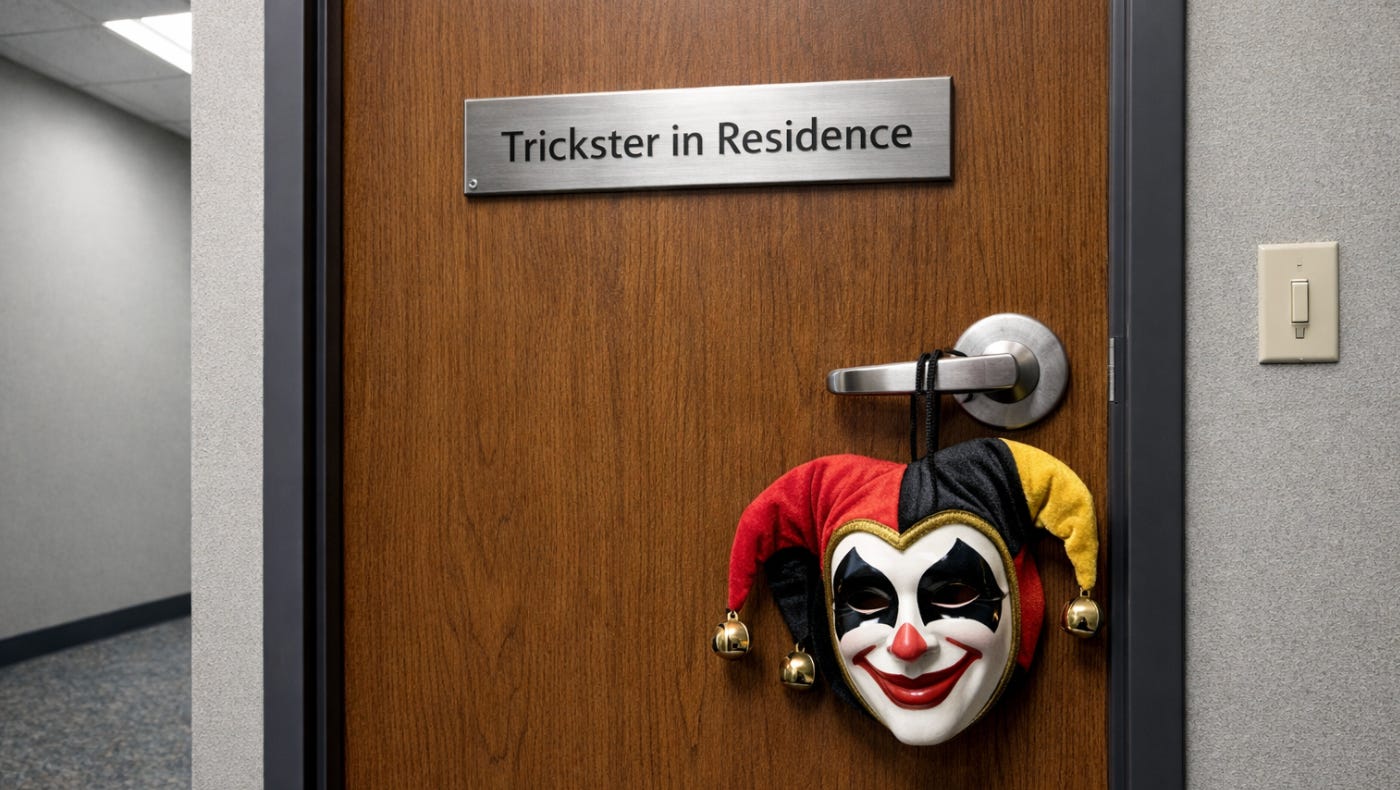
What about inside your organisation or group? Where is there a necessity for some playful noncompliance?
If you’re under pressure to use jargon or be theoretically sophisticated, for example, what simple truths do you think are being overcomplicated by that?
If you have a tendency to remain neutral to appear more resourceful, what strong stance could you risk today that your clients or audience would end up thanking you for tomorrow?
What important or urgent decision would you make RIGHT NOW if you didn’t need people to like you?

What I’ve been trying to make the case for in this talk is that being a prankster is a principled way to live. The world needs thoughtful trickery now more than ever. There is so much to lose and so much opportunity at stake.
If you’re someone who feels stuck—not in an organisational sense, necessarily, but stuck in a version of yourself that feels too cautious, too managed, too far from whatever you were like when you were genuinely alive to possibility—then I think tricksterdom is one route back.
If trickery stirs something in you, it’s because it touches the truest version of you. It’s a memo from your soul. And it can lead you to the place you really want to be. If you choose to follow that instinct, start by looking for the joints in the systems you’re not satisfied with, and look for places to prod.
You don’t need to be a professional artist or a Greek God to do it. You don’t need more qualifications or energy or money or permission. You just need access to a system that challenges you, an awareness of the things that amuse you, and a little bit more of your childish courage.
⬥
Hey, it’s Harrison 👋 Thanks for reading.
If you want more direct help, I work with people in two ways.
For professionals navigating significant transitions (career changes, bold projects, moments where an old story no longer fits), I offer 1:1 coaching using principles of Positive Psychology.
And if you’re job-seeking but you’re fed up with the traditional hiring process, Screw the Job Boards is a cohort-based programme I designed to help you build your own strategic way into work you actually want.
Either way, feel free to reply to this email or get in touch directly. I read everything.
Related topics

I actually read @Adam Mastroianni's substack on the decline of deviance and my reaction was "that's too bad." Humor, playfulness, and creativity as all human gifts and I'd argue elements that make life delightful. I'm encouraged to do more purposeful naughtiness.
Fabulous essay Harrison. "If deviance is declining, it means the capacity to colour outside the lines is becoming rarer and therefore more powerful!"
www.ricklewis.co